Planning for a healthy pregnancy starts before you conceive. One important step is Rubella IgG testing before pregnancy. This simple blood test checks if you are protected against rubella, a virus that can harm your unborn baby. Many women do not know their immunity status. However, knowing your rubella immunity before pregnancy helps you take action early.
What Is Rubella and Why Is It Important Before Pregnancy?
Rubella, also called German measles, is a mild illness for most people. Yet, if a woman gets rubella during pregnancy, it can cause serious problems for her baby. For example, babies may be born with hearing loss, heart defects, or vision problems. Because of these risks, protecting pregnancy from rubella is very important. The World Health Organization and the CDC both recommend checking rubella immunity before pregnancy.
Understanding Rubella IgG Testing
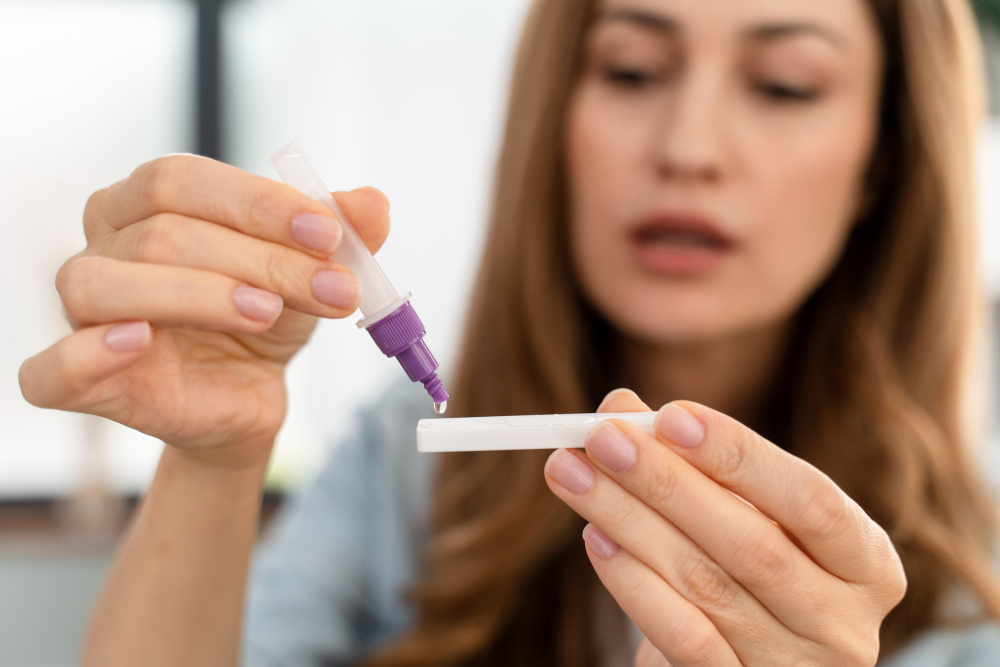
Rubella IgG testing is a blood test. It looks for IgG antibodies, which are proteins your body makes after infection or vaccination. If you have these antibodies, you are likely immune to rubella. Therefore, this test helps your doctor know if you need a vaccine before getting pregnant. Many clinics offer preconception rubella screening as part of routine care.
Who Should Get Rubella IgG Testing Before Pregnancy?
Most women planning a pregnancy should get a rubella blood test for women. This is especially true if you:
Even if you had childhood vaccines, immunity can fade. As a result, testing is a safe way to check.
How Is Rubella IgG Testing Done?
Rubella IgG testing is quick and easy. First, a nurse or technician takes a small blood sample from your arm. Next, the sample goes to a lab for testing. Results are usually ready within a few days. Because the test is simple, you can often get it done at your regular doctor’s office or a local clinic.
What Do Rubella IgG Test Results Mean?
Once you get your results, your doctor will explain what they mean. Generally, results fall into three groups:
If you need a vaccine, you should wait at least one month before trying to get pregnant. This helps keep your future baby safe.
Risks of Rubella Infection During Pregnancy
Rubella infection during pregnancy can be very serious. For instance, it can cause miscarriage or stillbirth. Babies exposed to rubella in the womb may develop congenital rubella syndrome (CRS). CRS can lead to:
Because of these risks, checking rubella immunity before pregnancy is vital. Early testing and vaccination can prevent these problems.
Prevention and Vaccination Guidance
Getting vaccinated is the best way to prevent rubella. The MMR vaccine protects against measles, mumps, and rubella. Most women receive this vaccine in childhood. However, if you are not sure about your status, preconception rubella screening is wise. If you need the vaccine, your doctor will guide you on timing. Remember, you should not get pregnant for at least 28 days after the vaccine. This simple step helps protect your pregnancy from rubella.
Frequently Asked Questions About Rubella IgG Testing Before Pregnancy
Conclusion
If you are planning a pregnancy, consider booking a rubella IgG test with Dr T S V Parvathi Devi. Early testing can help protect your future baby and give you peace of mind.